In the world of automobile safety, the name “Takata” likely rings a bell for many. Known for one of the largest and most controversial recalls in automotive history, the Takata airbag scandal has left a lasting impact on many car manufacturers, including BMW. But did you know that the German automaker is still dealing with the repercussions of this issue? What might surprise you even more is that BMW is now facing another recall challenge, this time involving seat belts in some of its latest models. Stay with us as we delve into the details of this new development and uncover what it means for BMW and Mini owners today.
BMW’s Ongoing Battle with the Takata Scandal
Back in the early 2010s, the Takata airbag issue erupted, shaking the automotive industry to its core. BMW was among the first European brands to respond with recalls. Fast forward to today, and the saga continues. As of October 1, BMW reports that 770,245 vehicles are still pending repair in the French market alone. Alarmingly, 417,651 of these cars are under a “Stop Drive” order due to their potential danger. These problematic airbags, produced by the Japanese supplier, were installed in BMW vehicles from as early as 1995 until 2019. But what makes these airbags so hazardous, and why is this recall so expansive?
The Perils of Defective Airbags
Takata airbags have been notorious for their defective inflators, which can explode with excessive force, potentially spraying metal shards into the vehicle cabin. This defect has led to numerous injuries and fatalities worldwide, prompting an unprecedented recall effort. BMW’s challenge now is ensuring that each affected vehicle is repaired, safeguarding their drivers and passengers. However, while this massive operation continues, another recall issue has emerged, capturing the attention of both BMW and Mini owners.
A New Recall: Seat Belt Concerns
In a surprising turn of events, BMW has announced a new recall, not related to Takata, but rather concerning the seat belts in some of its recent models. This recall extends to Mini, a British brand under the BMW Group that had previously remained untouched by the Takata debacle. The problem? Certain seat belts might not fully meet production specifications, which could potentially reduce their restraint function during a collision. Could this mean increased risks for drivers and passengers? Let’s explore the implications.
The Importance of Effective Restraint Systems
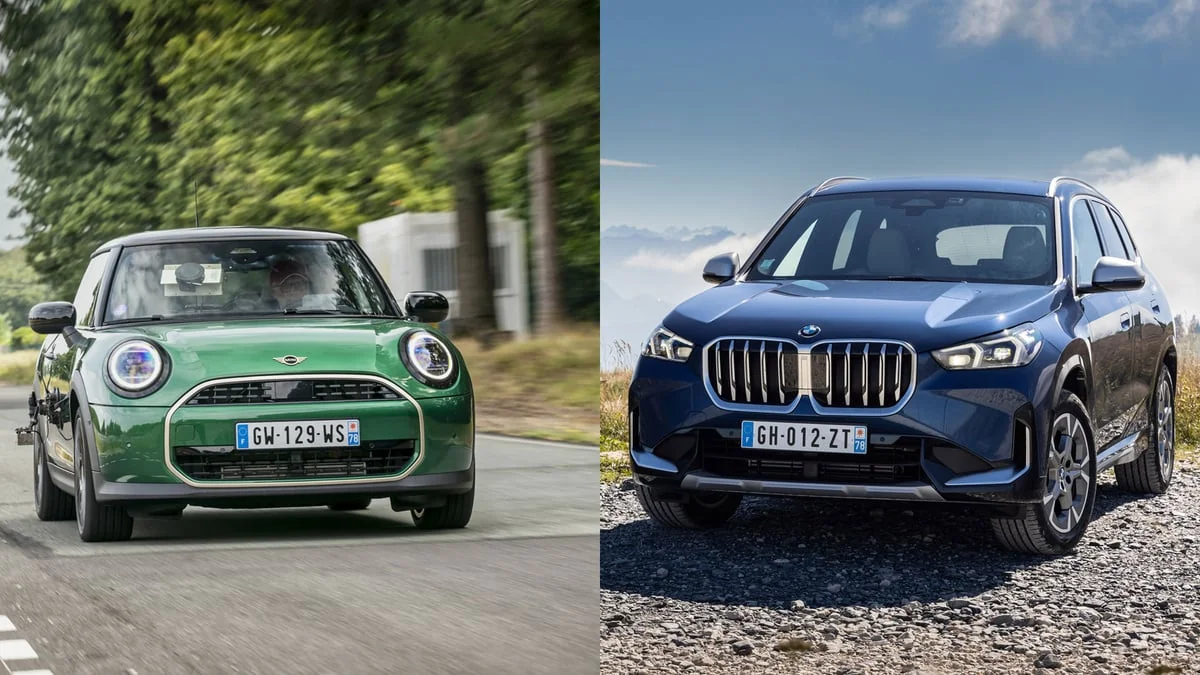
Seat belts are a fundamental component of vehicular safety, designed to keep occupants secure during sudden stops or impacts. Any compromise in their functionality can pose significant risks. For BMW and Mini, ensuring that all seat belts work as intended is crucial. This recall highlights models such as the BMW 2 Series Active Tourer, the X1 and X2, along with several Mini models including the Cooper and Countryman.
Which BMW and Mini Models Are Affected?
In the United States, the recall involves 798 BMW vehicles and 581 Minis, focusing on their latest generations:
- BMW 2 Series Active Tourer (U06)
- BMW X1 (U11) and X2 (U10)
- Mini Cooper (F66)
- Mini Cooper Five-Door (F66)
- Mini Cooper Convertible (F67)
- Mini Countryman (U25)
Interestingly, the electric versions like the BMW iX1 and iX2, along with the Mini Electric Countryman, are also included in this recall. However, the Mini Cooper SE, a fully electric model manufactured in China, remains unaffected by this issue. How can owners determine if their vehicle is involved in this recall? Read on to find out.

How to Know If Your Car Is Affected
The affected seat belts are linked to production periods between June 20 and August 25, 2025. BMW and Mini are committed to notifying all impacted owners. If your vehicle falls within this production window, expect to receive a notification via mail, through your app, or even directly through your vehicle’s infotainment system. But what if you want to check proactively?
Proactive Steps for Car Owners
Although BMW offers an online tool for recall checks, it may currently prioritize the Takata airbag issue. Nevertheless, it’s wise for owners to stay informed by contacting their local dealers or keeping an eye on official announcements. As of now, there’s an ongoing discussion about enhancing regulatory measures, potentially mandating more comprehensive digital recall notifications, which could significantly improve how safety recalls are managed.
The Broader Implications of Recalls
Recalls, while inconvenient, play a vital role in maintaining safety standards in the automotive industry. They underscore the importance of addressing manufacturing flaws that could jeopardize driver safety. As BMW and Mini navigate these challenges, they provide a valuable reminder of the ever-evolving nature of automotive safety regulations. Could the future bring more stringent controls on recalls and repairs? It’s a question that both regulators and manufacturers are closely considering.
In conclusion, while the Takata airbag recall continues to cast a long shadow over the automotive world, BMW and Mini’s proactive stance on seat belt safety demonstrates their commitment to consumer protection. Whether you’re a BMW or Mini owner, staying informed and responsive to recall notices is key to ensuring your safety and peace of mind on the road.